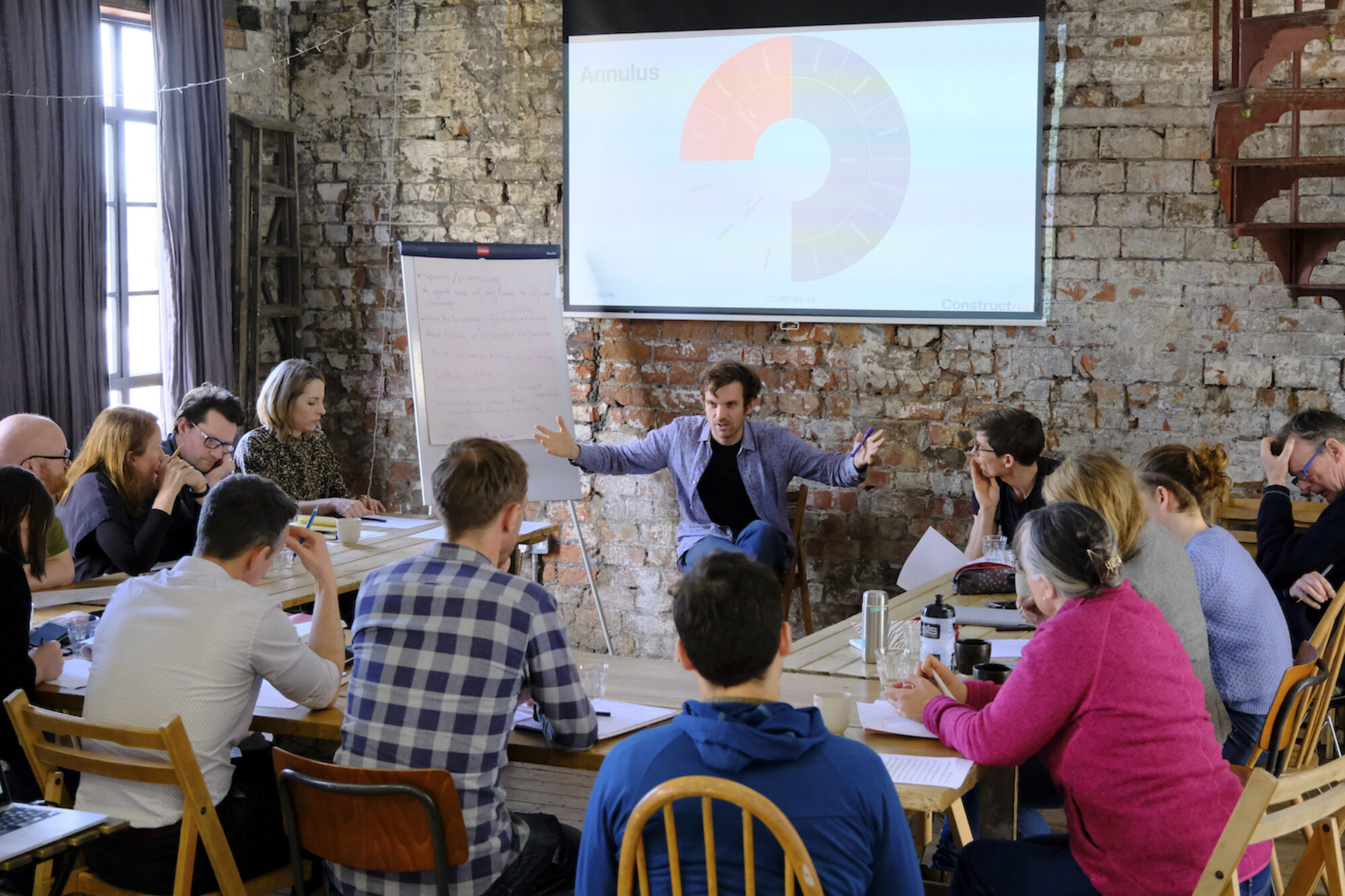

The Pattern Book for Regenerative Design contains 12 pre-stitched patterns, for applying regenerative thinking in different contexts. Here we give an overview of the 12 patterns. The full details are in the book.
At the Regenerative Design Lab, participants choose from these patterns to guide their journey through the Lab.





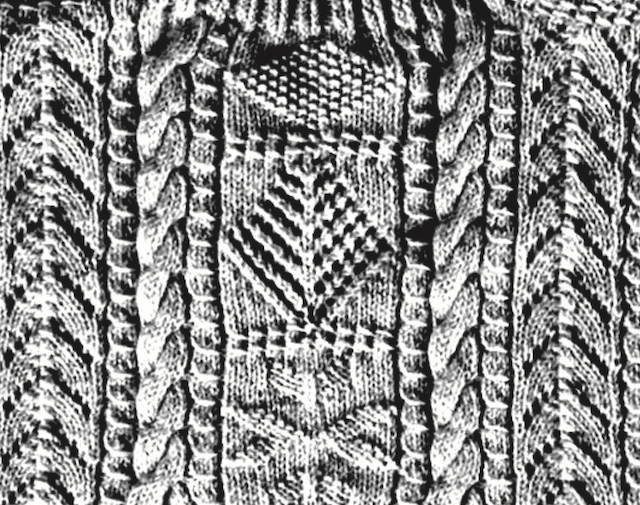




Pattern 01 — Canvas: for intuitive exploration
Canvas — a plain weave with perpendicular warp and weft, used for creating large fabrics for a wide range of uses. Also a blank canvas to draw upon.
This pattern is for engineers and other humans wanting to feel their way into regenerative design — for personal exploration or facilitating others’ intuitive investigations. It’s a starting point before trying to persuade others, especially if you:
- have an intuition that the way we design and build things is not working
- can already spot projects pioneering something different
- are interested in regenerative design as a concept
- don’t want to be hit over the head by systems models
- see the shortcomings of today’s methods, but are quite invested in them
- aren’t ready to start persuading your clients to change their ways — yet
- maybe, want to reconnect your work to passions which may have got lost
Pattern 02 — Twill: for systemic exploration
Twill — a common weaving pattern that provides structure and flexibility. Twill captures the essence of this pattern of thinking: a robust, structured approach for understanding and applying regenerative design in a wide range of contexts.
This is a foundational pattern for exploring regenerative design from a systems theory point of view. It’s for engineers and other humans who prefer to start with theory and then move into the field. Like for Pattern 01, you can use this pattern for personal exploration or for facilitating others’ theory-led investigation of regenerative design. It is a starting point before you start trying to persuade others.
- You might be drawn to this pattern if you:
- feel the way we design isn’t sufficient to navigate the climate and biodiversity crisis
- already understand sustainability and systems models, and want to extend them into regenerative design
- find regenerative design vague and are looking for more structure
- want deep theoretical foundations to build upon
Like Twill, Pattern 02 provides a robust structure that can be applied to a wide range of scenarios. It offers models to support regenerative thinking and also pulls the conceptual thinker out into the world to engage with sensory inputs. The aim is to create both clarity and priming for action.
Pattern 03 — Herringbone: for critical thinking
Herringbone — a strong weave with a tightly repeating pattern. It recalls brickwork, timber construction and the blue shirts favoured by many engineers. A reminder that the long work of transforming industry will be done by people building real projects, project by project. This pattern offers a robust set of principles to dovetail with decision-making.
You are probably a practising engineer or consultant working on live projects. You need to apply critical thinking to make decisions in complex environments. You need a robust approach to ensure you do your job; people rely on the decisions you make. But at the same time you recognise that we can’t continue with business as usual. You already have an understanding of regenerative thinking (possibly from Patterns 01 or 02). You see that the future is built from the projects we build today, and so you want to find some way to improve the future through the decisions you make project to project.
Pattern 04 — Gingham: for idea generation
Gingham is a lightweight and cheap fabric traditionally used as a material to mock things up before committing to more expensive fabrics. It communicates the idea of openness, of trying things out, of experimenting.
This pattern is for engineers (and other humans) who want to build structure into their creative thinking. It complements the cyclical patterns (Pattern 03, Pattern 13), offering a focused pause for divergence before returning to action.
You might be drawn to this pattern if you:
- want help structuring a creative thinking process
- are stuck and need new ideas
- have a project that needs fresh thinking
- are leading a team through creative exploration
- want to explore regenerative approaches to idea generation
- are using creativity in your personal or professional practice
This pattern is a short sequence which you can use between others to inject some creative thinking.
Pattern 05 — Felt: for regenerative personal practice
Felt is made from boiling woollen fibres, causing them to matt together. The process is transformative, creating a new fabric. It is also strengthening — felting prevents fibres around the edges from fraying. Felt is a metaphor for a process which is transformative, a process for engineers and other humans who feel they may be fraying around the edges. A journey that shifts from theory to something that is, well, felt.
This pattern is for anyone familiar with regenerative design from other patterns in this book and curious to apply this thinking to themselves. Experience from the Regenerative Design Lab shows that many people who explore regenerative design at a project or organisational level eventually begin to look inward, asking what it means for their pace of life, what they need to thrive and where they put their attention. You might be drawn to this pattern if you:
- have maybe noticed that the pace of work is too high and never relents
- have been trying to fight against the dominant way of working for some time
- are maybe finding this process of working against the grain tiring
- see the wisdom of creating inner strength to support the work you do out in the world
- are up for experimenting.
Of all the patterns in this book this sequence is working at the highest level of regenerative intervention, because in our own lives we probably have the greatest freedom to change the mindsets that we work with.
Pattern 06 — Gansey: for continuous place-based design
The gansey is a fishing jumper, knitted to suit the harsh working conditions. They usually have extra ribs for warmth. Scottish versions are made in a single seamless piece for durability. Traditionally, each design is specific to a fishing village, with patterns passed down through generations and worn as a symbol of belonging to a place. The gansey is a metaphor for continuity, locality and attunement to local conditions in design.
This pattern is for engineers and other humans who are ready to connect their design work more deeply to place. You might be drawn to this pattern if you:
- understand the basic premise of regenerative design (see Pattern 01 and Pattern 02)
- are compelled by the idea of ‘Continuous Place-Based Design’ rather than ‘Short-Term Design from Anywhere’
- have a connection with a place, a connection you want to deepen
- you see a potential in a place that may be hidden and you want to help draw out
Pattern 07 — Pin Stripe: for developers and asset managers
Pinstripe — favoured by people working with money, pinstripe is traditionally a woolen fabric with a stitched cotton thread. At first the cotton and the wool are a similar colour, but when dyed, the cotton resists the colour and the distinctive stripe emerges. The metaphor here is for building in patterns that become visible as the context evolves. It speaks to sewing the seeds of ideas that will grow and gain value later.
This pattern is for engineers and other humans working with developers and asset managers — clients who own and / or operate assets in urban and rural areas. Given regenerative design is so deeply tied to place and land, engaging these stakeholders is key to unlocking potential thriving.
Use this pattern if you:
- see the contribution that developments and infrastructure could make to creating thriving places
- and at the same time, see that regenerative design is not on your client’s agenda
- are frustrated that sustainability on its own hasn’t created the transformation we need
- are aware your client is focused on return on investment and you are focused on thriving
Like Pattern 03, this pattern is focused on where the client’s present concerns are to gain trust. From there the motifs build the case for long-term change.
Pattern 08 — Linen: for transforming supply chains
Linen is traditionally made with flax fibres organised in a plain weave. In the UK, flax was once locally grown and processed to make linen. Today, the fibreshed movement — like a watershed but for materials — is rediscovering the potential of flax as a locally viable, regenerative material source for clothing.
This pattern is about understanding supply chains and looking for opportunities to create more symbiotic systems of supply that over time enrich the places where we make and where we take. This pattern is for engineers and other humans interested in transforming supply chains. You might be drawn to this pattern if you:
- have a broad understanding of where our construction materials come from and the complexities involved
- are frustrated by the linear nature of many of our material flows
- are interested in working at a strategic level to shift our supply chains towards more regenerative outcomes
- are interested in moving beyond circular systems to methods of supply that build something back
- see the opportunity for business and communities in supply chain transformation
- probably recognise the challenges of changing supply chains that are so well established
If your focus is more at a project level then also look at Pattern 03 and Pattern 06.
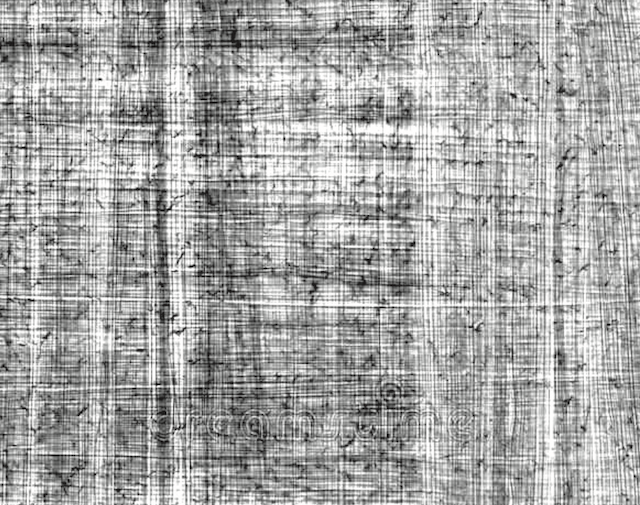
Pattern 09 — Papyrus: for shifting business strategy
Papyrus. Not a fabric but nevertheless woven, papyrus is an ancient form of paper made by weaving. Something that could be written on, old pieces of papyrus were on occasion reused. This evokes the idea of the palimpsest: something that has been written before and is then over-written. A metaphor for changing the story.
This pattern is for strategic thinkers, either inside organisations or working as consultants that are exploring integrating regenerative thinking into their strategies. These organisations have portfolios of work, operational constraints and internal tensions between aspiration and reality. Dreams are tempered by managing reality.
You may be drawn to this pattern if you:
- already have a grasp of regenerative practice from Pattern 01 or Pattern 02
- are helping an organisation reframe its long-term strategy
- need to balance short-term business needs with longer-term regenerative goals
- are a consultant working on aligning portfolios with regenerative principles
- are part of a business leadership team exploring a shift in direction
Pattern 10 — Brocade: for cultural shifts
Brocade is a richly woven fabric, heavy with symbolism. We can think of institutions being wrapped in a cultural brocade: stories, rituals and imagery that communicate who they are and how they think collectively. Cultural shift is about understanding these cultural patterns, unpicking parts where necessary and weaving cultures that support thriving for the human and living world. The Italian root of the word Brocade is broccoli, hinting at integrating patterns from the living world into the culture weave.
This pattern is for engineers (and other humans) working in and with organisations, institutions and systems to help them shift their culture. You might be:
- a leader in the organisation overseeing a change programme
- an internal change-maker trying to shift mindsets and behaviours
- a strategist who is reaching for culture as a more powerful way to influence outcomes
- a consultant working to achieve any of these outcomes
- or simply interested in how regenerative thinking applies to cultural shifts
The motifs in this pattern help surface the cultural signals that reinforce or resist thriving, and suggest interventions that tilt the organisation toward living system values.
Pattern 11 — Baize: for local authorities
Baize is a tough cloth with a rich visual appeal. Associated with upholstery in committee rooms and on snooker tables where its high friction slows down momentum. This fabric reminds us of the civic responsibility in local policy making and the resistance the changes we propose might meet.
This pattern is for engineers (and other humans) working on policy at a local authority or regional scale. From a practical point of view, this is the sort of scale of operations at which regenerative design makes the most sense, containing a broad enough diversity of networks, resources and skills to create thriving systems. But the reality of how to get from our way of working at this scale and this regenerative ideal is unclear. Use this pattern if you:
- are familiar with regenerative principles from other patterns in this book
- have interest in or responsibility for a particular policy area but are interested in taking a more holistic view
- are very aware of the scarcity of resources and interested to see what local abundance could be unlocked and harnessed
- understand the local dynamics, politics, tensions and opportunities
- probably have some personal connection to the place you are working with
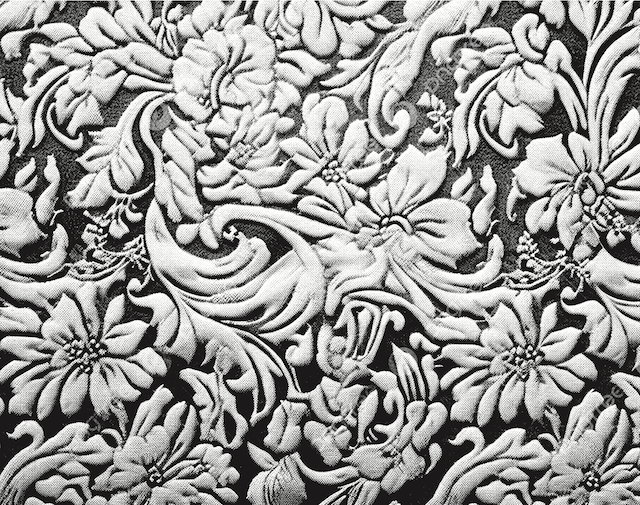
Pattern 12 — Damask: for government and industrial regulation
Damask is a richly woven fabric, originally created on a Jacquard loom, one of the earliest machines to be ‘programmed’ by punch cards. Rich fabrics are synonymous with power, a good metaphor for government and the regulations that control industry. A striking feature of damask is that the stitch looks good on both sides, making the fabric reversible — a reminder that even the powerful institutions can change their mind.
This pattern is for engineers and other humans working in the national-level policy space and regulatory space. You may be drawn to this pattern if you:
- are familiar with systems and futures models
- have seen the policy space latch on to one concept, then the next
- recognise the challenges of shifting an existing system — even when you see clearly where it is no longer working
- are curious what regenerative design could mean for policy
- are attuned to the priorities of those who hold power — and can see where regenerative thinking aligns and where it may not