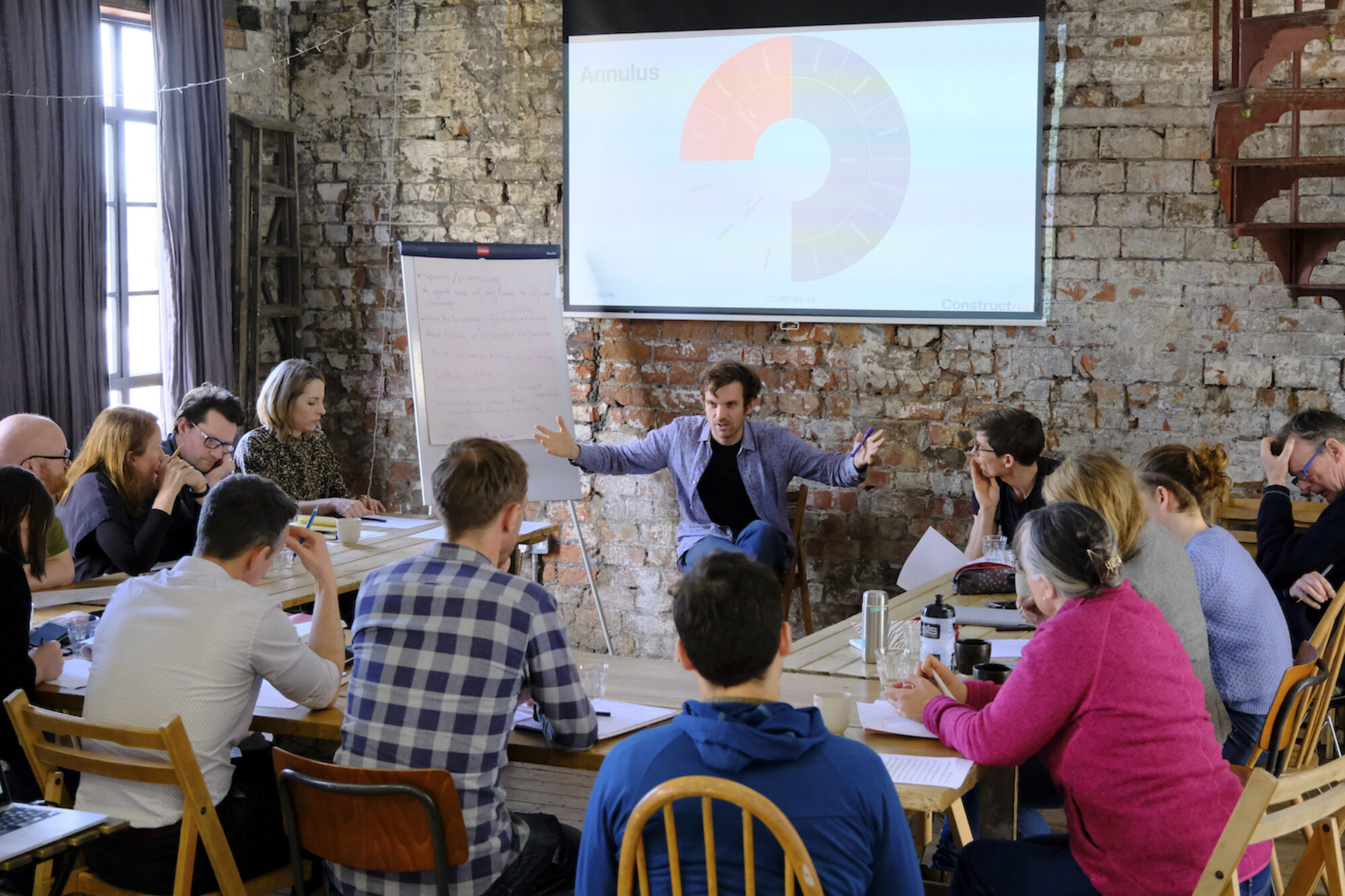

Helping people think regeneratively, work creatively and make change happen—one project at a time.
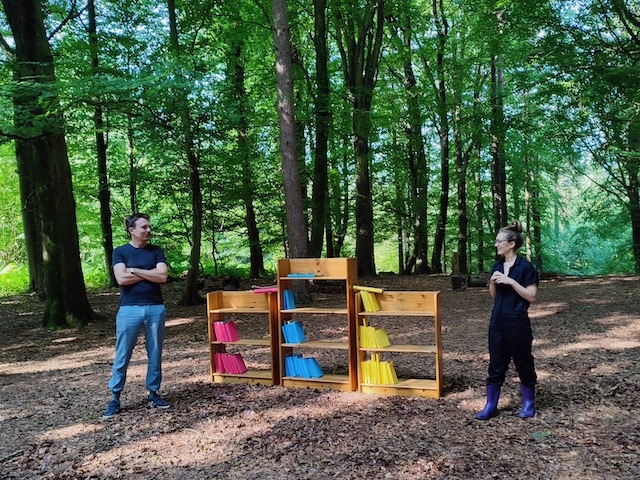
The Regenerative Design Lab
An eight-month transformational programme for leaders and future leaders to develop and apply regenerative thinking
Find out about joining our next cohorts.
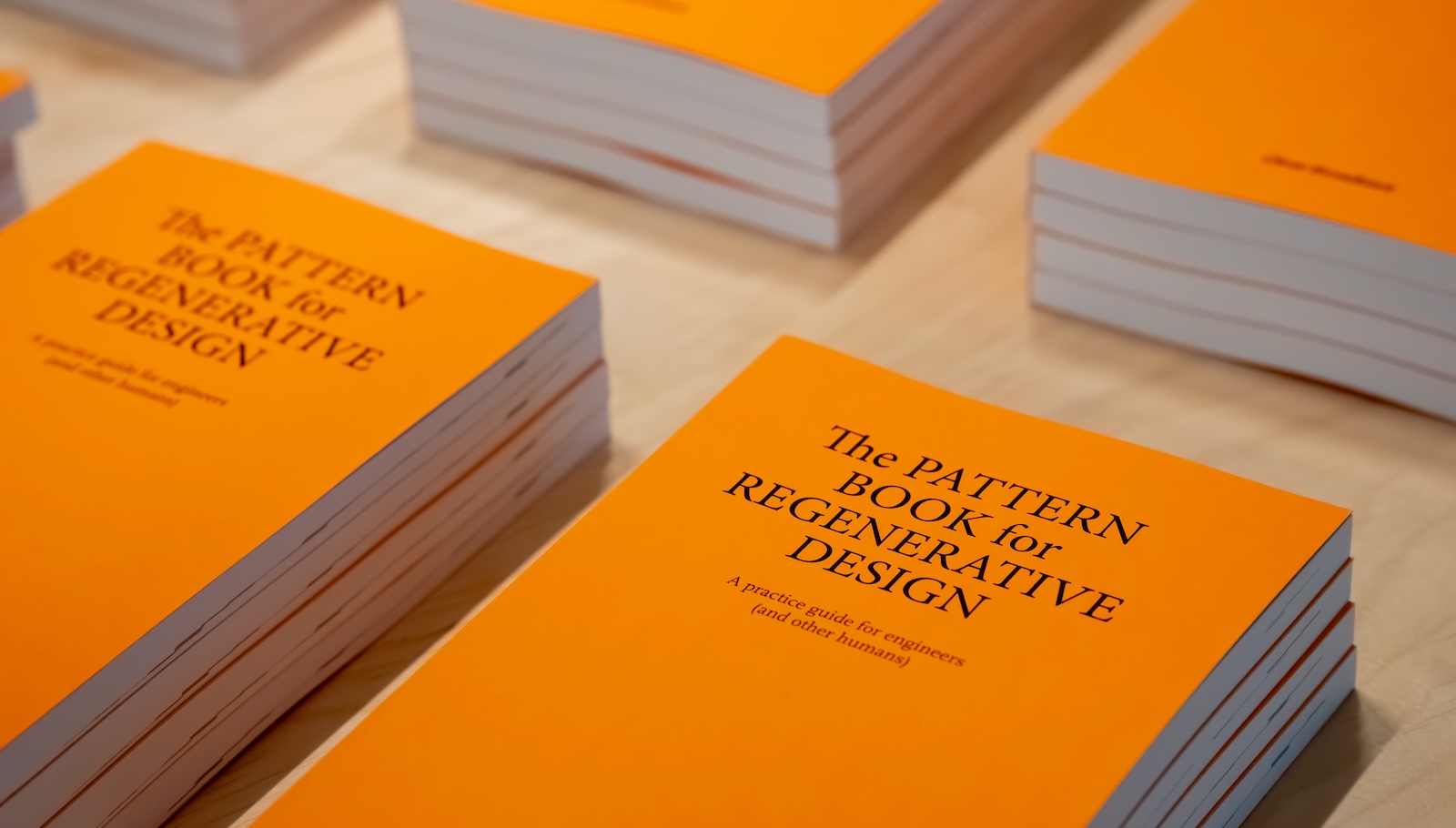
The Pattern Book for Regenerative Design
A practice guide for engineers (and other humans)
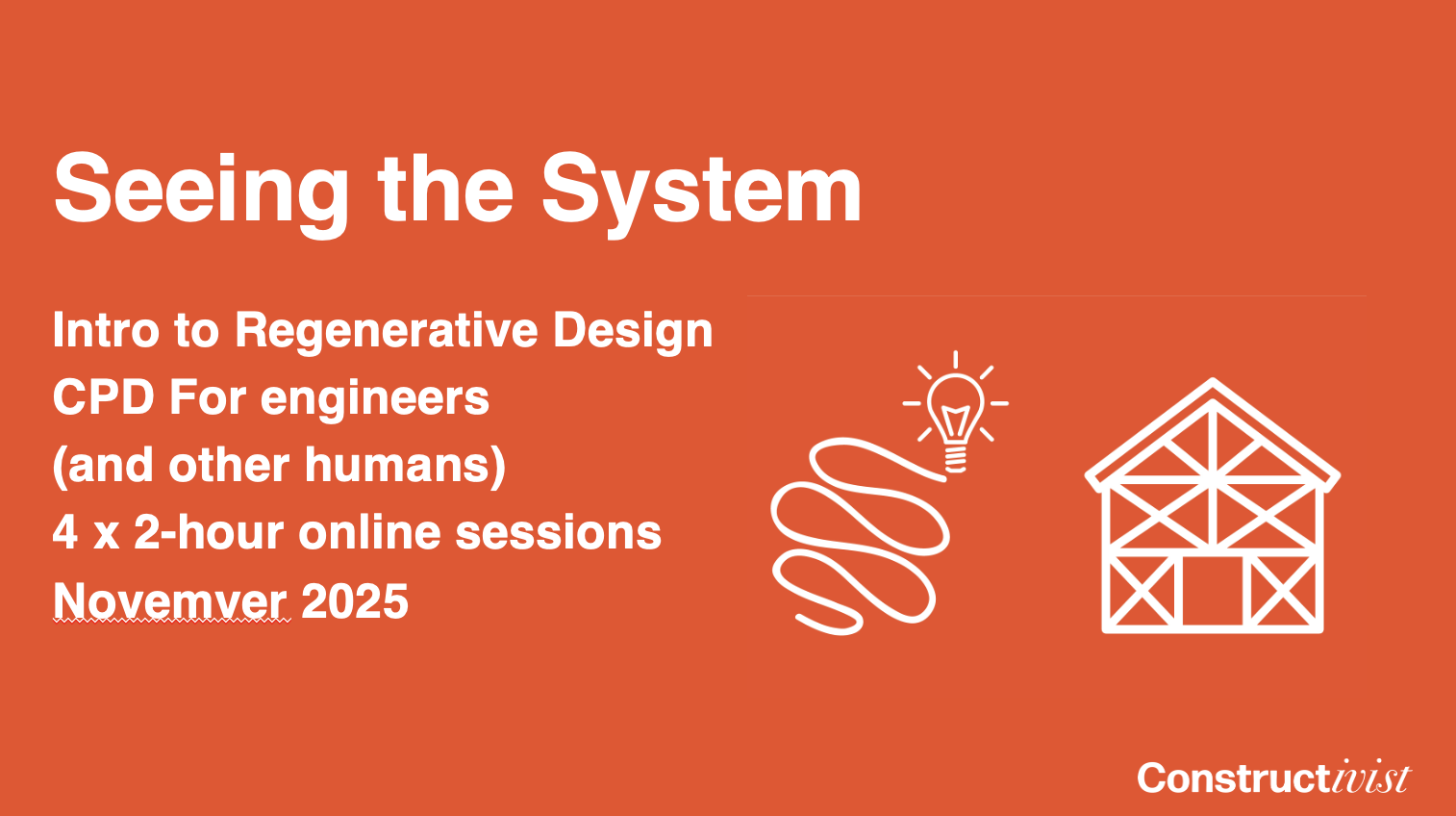
Seeing the System
Our online introduction to Regenerative Design
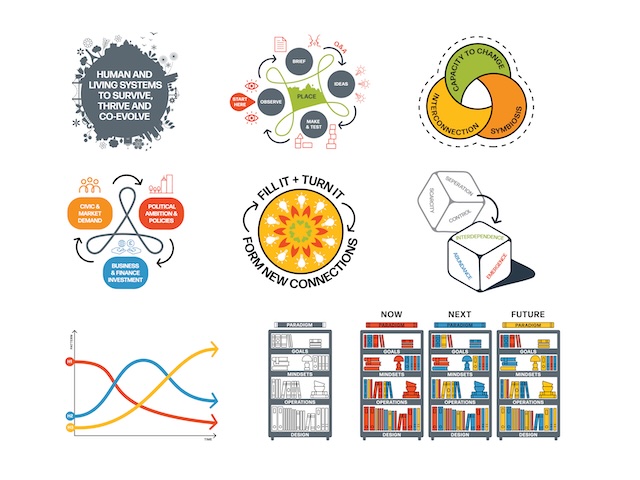
Tools for Regenerative Design
Our top tools for regenerative design, free to use and available for download.
Most popular open courses
Most popular in-house courses
The blog: For Engineers (and other humans)
Oliver’s daily(ish) blog on creativity, regenerative design and practical philosophy drawn from across my teaching, writing and collaborations. Sign up for Oliver’s weekly digest by clicking here and choosing the appropriate button.
Latest posts
- Autumning – preparing for Cohort 6’s final RDL residential.As it begins to feel – finally – like Autumn in the south of England, we are preparing to return to Hazel Hill Wood for the final residential …
Continue reading “Autumning – preparing for Cohort 6’s final RDL residential.”
- Lessons learning – field notes from the MPA conference.
 Today I spent the afternoon with around a hundred members of the Major Projects Association at the MPA’s annual conference, exploring how we create a culture of learning …
Continue reading “Lessons learning – field notes from the MPA conference.”
- Two places, two cohorts: the Regenerative Design Lab in 2027
 In 2027, we’re running two parallel cohorts of the Regenerative Design Lab for the first time. RDL Hazel — Cohort 8 will return to Hazel Hill Wood near Salisbury, …
Continue reading “Two places, two cohorts: the Regenerative Design Lab in 2027”
- Upcoming train(ing) departures/ trains au départ
 01/10 — Advanced Conceptual Design for Team Leaders A special service calling at the key issues faced by team leaders when leading a design process, including building trust with …
Continue reading “Upcoming train(ing) departures/ trains au départ”
- Giving attention to the future
 This month at the Regenerative Design Lab, Cohorts 6 and 7 both spent time on line imagining the future. Using the Three Horizons model, we explored Horizon Three, …
 - Outvestment versus investment
 I was asked, Is regenerative design anti-investment? No, but it does depend on the kind of investment. In regenerative design we use living systems as a guide for …
 - Change the book that is blocking the way
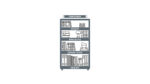 Another frequently asked question at the talks I was involved with this week: what is the biggest factor blocking regenerative design. I used the Systems Bookcase to help …
News and highlights
Field notes from our training courses and news about what we are up to at Constructivist.
Latest articles
- Lessons learning – field notes from the MPA conference.Today I spent the afternoon with around a hundred members of the Major Projects Association at the MPA’s annual conference, …
Continue reading “Lessons learning – field notes from the MPA conference.”
- Two places, two cohorts: the Regenerative Design Lab in 2027In 2027, we’re running two parallel cohorts of the Regenerative Design Lab for the first time. RDL Hazel — Cohort …
Continue reading “Two places, two cohorts: the Regenerative Design Lab in 2027”
- Book payments back onlineHello, it looks like we’ve been having some difficulty with purchases in our online store. Apologies if you have been …
- 200 new Pattern Books please
 So this happened over Christmas – we sold out of the Pattern Book for Regenerative Design. In fact we sold …
 - Fellowship completeJust sharing some news of a big milestone in this work: the Commissioners have signed off the final report for …
- Big news — Cohort 6 Applications for the Regenerative Design Lab are now open
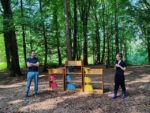 Our big news this week is that the application process is now open for Cohort 6 of the Regenerative Design …
Continue reading “Big news — Cohort 6 Applications for the Regenerative Design Lab are now open”