
The last time the nuclear circus arrived

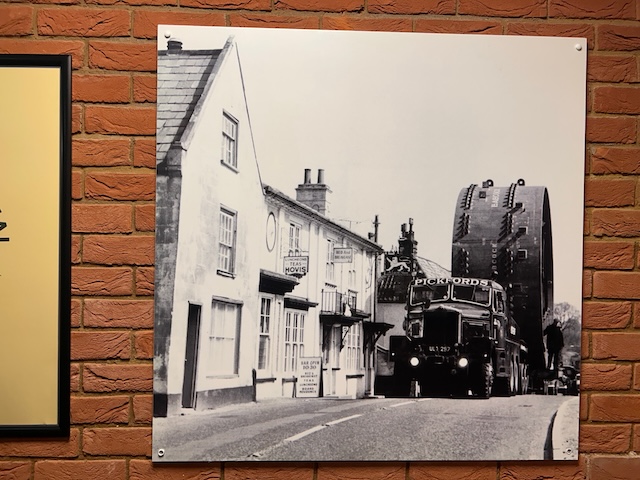
Black and white photo showing a large cycling on the back of a lorry being towed through a village. The cylinder is much larger than the surrounding houses.

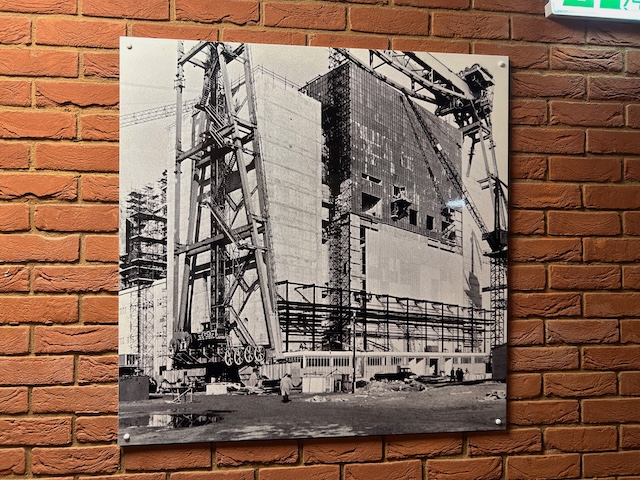
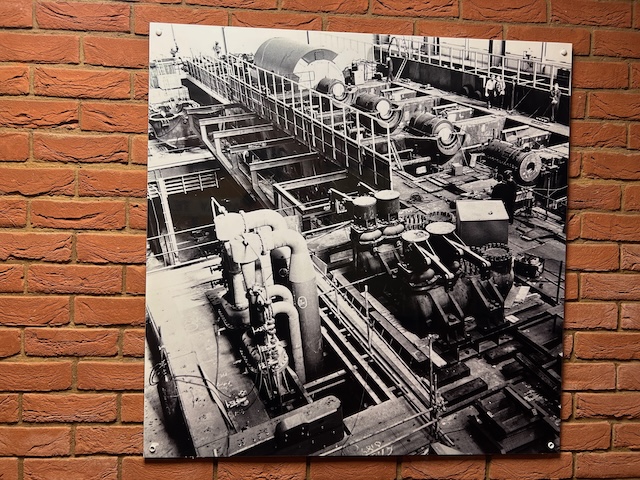
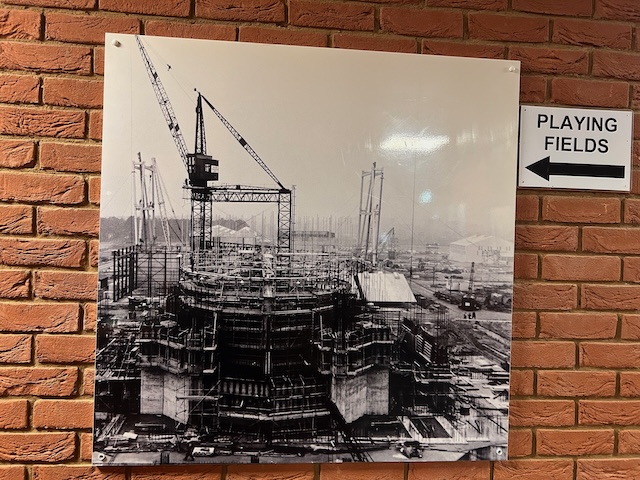
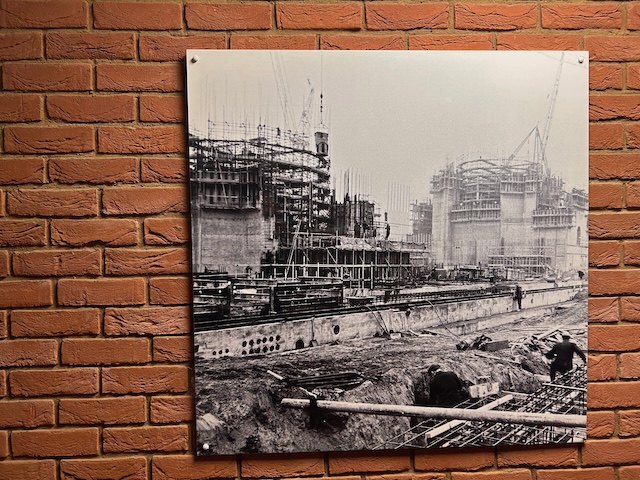
I love this photo of a photo, which I snapped last week at a sports centre near Sizewell power station. It was taken the last time a power station was built here, decades ago. The image reminds me of a travelling circus rumbling into town with wagons full of equipment.

Nuclear power stations are usually in remote locations, which means that when we build a new one, it inevitably involves big lorries driving down narrow roads. Like a circus, it really is a spectacle in the original sense of the word — a visually striking performance display.

But what caught my eye is the pride in these photos. They were displayed in the sports centre alongside trophies won the home teams. Many local people were probably involved in the construction of the first power station, and many more will be involved in the next one.

We rarely tell these stories of construction. But I often wonder, who built this, what were their stories, what were their hopes for this enormous thing as they built it?
Does power support change?

Earlier this week I wrote about designers needing to understand the conditions for change. What enables change and what blocks it?

If we understand organisational culture as how things get done in an organisation, then culture gives us some strong clues about what – or who might be enabling or blocking change.

Power is one of the six lenses of culture in the Johnson and Scholes culture web. How people with power wield it in the organisation sets a strong signal for what is valued and what can be ignored. The policy may say one thing, but it is what management or leadership actually do that sets the culture.

And so back to change. Do the people with power visibly support change? If so, a culture of change will enable you to do your work more easily. If not, you will have more work to do.

All change or no change

How do we know if an organisation is really committed to change?

A big clue is to look at the culture of the organisation. Because in organisations, culture is how things get done.

The Johnson Scholes Culture Web gives us six lenses to read an organisation’s culture. Each gives us a way to test if they are really committed to change. 

Stories — Are they telling different stories about who they are and what they value?

Routines and rituals — Have day-to-day practices shifted? Has what they celebrate changed ?

Symbols — Has the visual language shifted? What’s being shown — or hidden?

Control systems – What are they measuring? Has the weight of KPIs shifted? How much R&D is allocated to this change? How are they measuring their supply chain?

Organisational structure — Where is the work of change located? Is it is the delivery teams or in the marketing team?

Power structure — Are senior leaders backing the change, asking questions about it and backing it even when it’s not the easy option?

These six lenses help us spot shifts in culture. 

What the culture is doing is a strong clue about whether the organisation is really committed to change — or actually planning on changing nothing.

The dance of innovation or dancing on the spot

Regenerative design aims to shift our system of design and construction to one that creates thriving. 

But when we are working with an incumbent organisation — one built around the current way of doing things — a big question often arises: 

How do I know if I am really making change?

When organisations are heavily invested in the current system, genuine change is rarely part their short-term strategy. 

An avoidance strategy then is to perform the dance of innovation — creating the appearance of transformation while continuing with business as usual. 

Like a magician waving one hand while hiding the real trick with the other: 

Well, you know, we’re really committed to change and we’ve got these great consultants in, and they’re figuring out the strategy… so for now, we’ll just carry on.

For change-makers looking to shift the mainstream, the chance to work with a major supplier or client can feel too good to pass up. But we have to stay alert to innovation being a delaying tactic.

It may look like progress, but if nothing changes under the surface it’s really just dancing on the spot.