
The Lasagne Pitch – start with the shape of it

I struggle to follow recipes that pile straight in with a long list of instructions without giving me an idea of how the recipe works. 

Take lasagne. If it just starts with, ‘heat the oil, fry the onions, celery and carrot, then after a bit add some garlic…’ I find the information goes in one eye and out the other.

I need to know the shape of things to give me scaffolding for the details. For example, 

‘a lasagne is a dish consisting of alternative layers of pasta sheets, red sauce and white sauce. First you will make the red and white sauces separately, then layer things up and bake it. The pasta cooks in the moisture from the sauces…’

Give me all that and then I’m set for the details about frying the onions and turning on the oven.

The same can be said for pitching design ideas and engineering concepts.

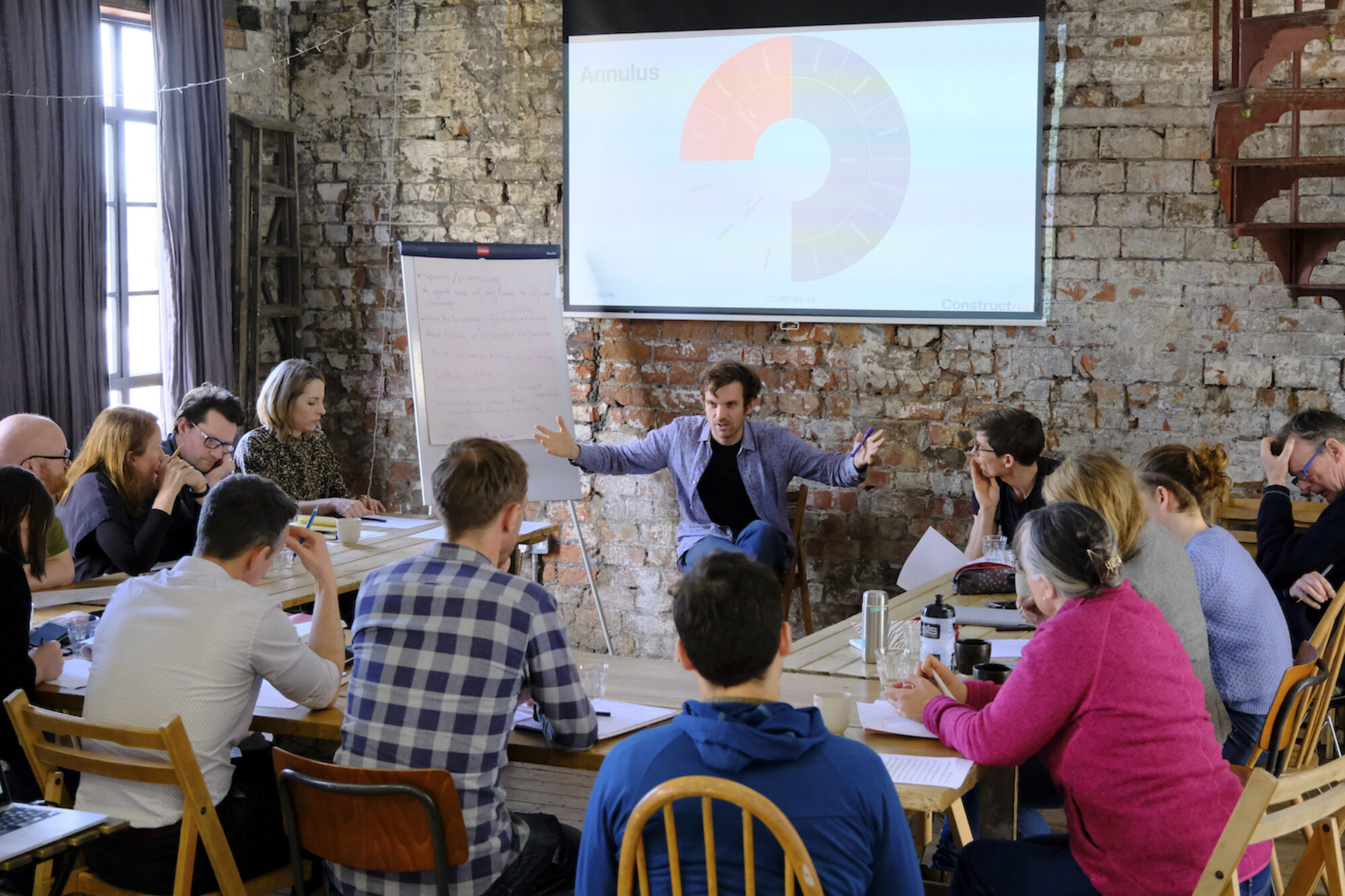
In my workshops on pitching design ideas, I find participants are often too ready to get into the detail of how they are going to do something before giving us the overall logic. Without structure, the details don’t add up to create a picture.

If you hear me say, use the lasagne pitch, now you know what I mean. Start with the layers, then worry about frying the vegetables.
I’m an engineer, I feel your pain and I have a plan

This little refrain is my version of Aristotle’s three artistic truths for making a convincing argument. Aristotle proposed three things were needed to win people over. The first is ethos – or trustworthiness. Is this person someone I trust. The second is pathos – or empathy. Does this person have a shared sense of pain. And the third is logos – or logic. In other words, what’s the plan. 

As engineers we often start with the plan. But the plan won’t work without trust and empathy. Hence the refrain. Showing up as a professional can build trust. Feeling the pain might be the hardest part, because it has to be genuine. Then, we get to the plan, which is probably the part we started off with.

Field Notes — The Agora

This week I facilitated the final sessions in our Critical Thinking series for the Useful Simple Trust.

The programme takes participants through four rooms in the mind of a critical thinker. We began by gathering data in the Observatory, analysing these inputs in the Map Room, and then deciding between courses of action in the Decision Engine.

This final stage is called the Agora, from the Ancient Greek for marketplace. This workshop is about stepping into the public square to speak persuasively.

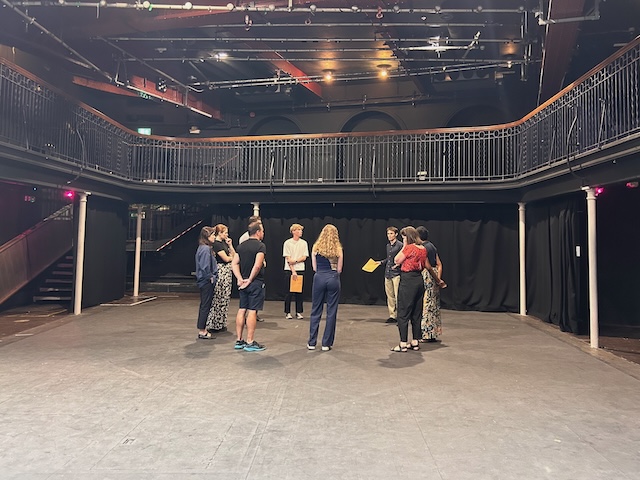
We held the sessions in a real theatre—a technique I first experienced 16 years ago on a training course with Linda Meyer, when I began working at the Useful Simple Trust.

But before we stepped on stage, we began in Catalytic mode— a conversational style I learned from Nick Zienau on another formative course. Catalytic Style builds trust and empathy — two essential elements of persuasive communication.

The final piece in this persuasion triptych is clarity. For this, we used the stage itself—moving across it to physically map out our key points and structure an argument in space.

To conclude, participants gave short presentations that drew on key insights from across the programme, using techniques from the workshop to build compelling, well-structured arguments grounded in critical thinking.

With the final curtain drawn, the ball is now in the court of the participants. The real work begins in applying this thinking to daily practice. That’s when the hard work starts — but as we like to say at Constructivist, you only learn when you do difficult things.