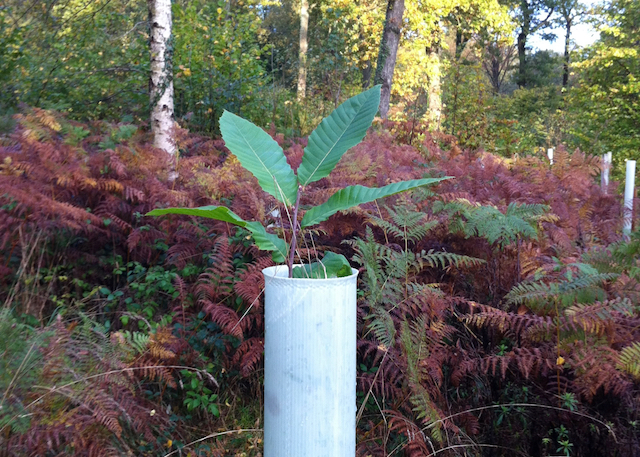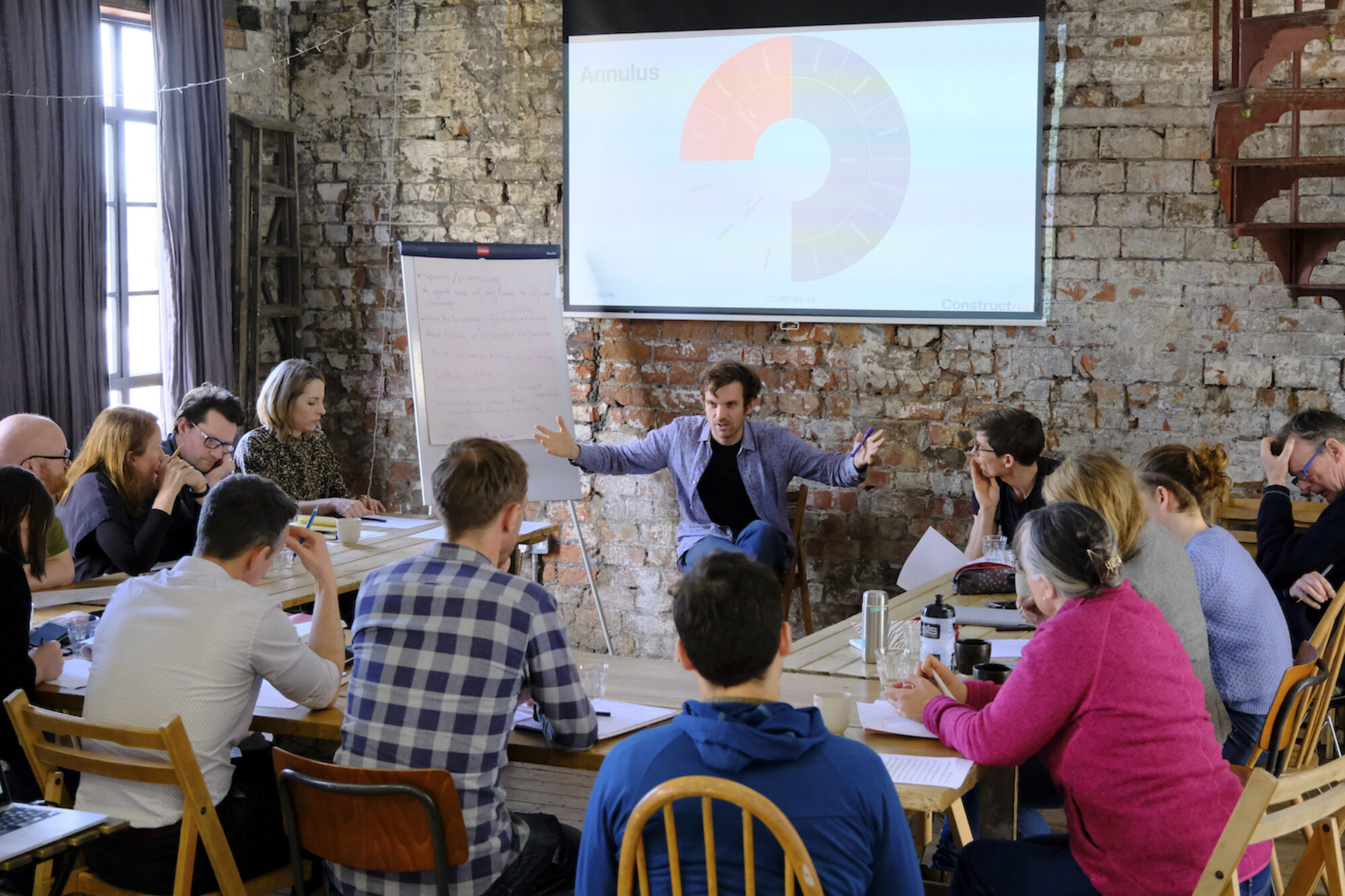


This March we are holding the Spring Residential workshops for Cohort 6 and Cohort 7 of the Regenerative Design Lab. Appropriately I was down at Hazel Hill Wood this weekend for the wood’s Wood Chop Challenge — the annual event that provides firewood for that heats the retreat buildings used by many groups who come to the wood to learn, including the Lab.
For me this process captures something of the essence of regenerative practice.
The firewood is both product and process.
It both meets a human need — staying warm and comfortable while in the wood. And it meets the wider need of the ecosystem through careful management of the woodland. And, what’s more, the work of producing it — felling, chopping, transporting and stacking — becomes part of the experience of that place.
In that sense the Wood Chop Challenge is a small example of what regenerative practice can look like: meeting our needs while strengthening the living systems we depend on.
You can read more about it on the Hazel Hill website here.