Up until now, my discussion about lead and lag indicators has focused on classic building performance factors. But regenerative designers are concerned with creating wider system thriving. So we need lead indicators for things beyond buildings — indicators that can tell us how well a place is likely to adapt to future challenges.
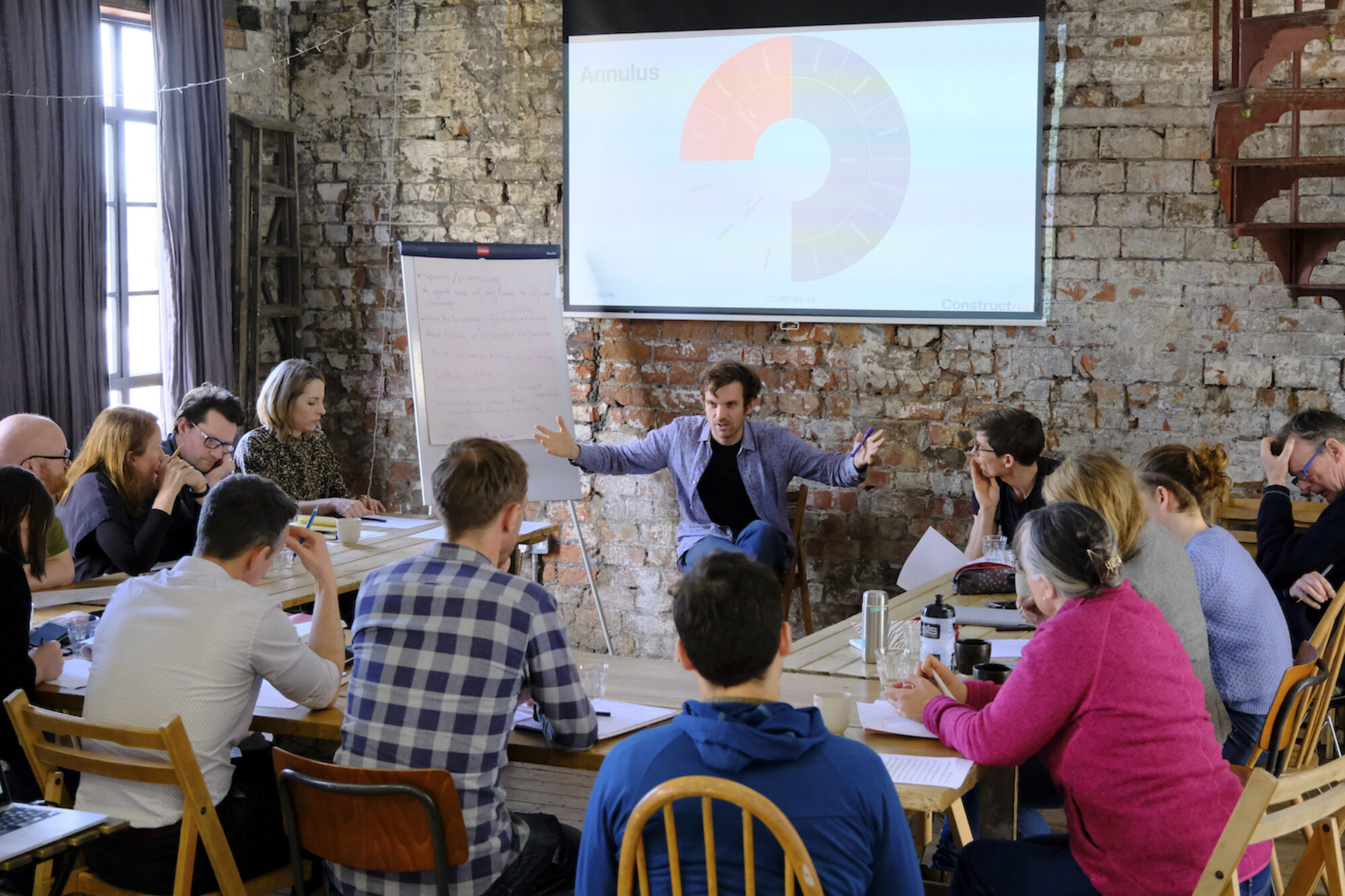
At a workshop earlier this week, I was discussing predictors of how well my street might cope with extreme heat in the future. For example, a short-term lead indicator is the quality and age of the housing stock. Poorly maintained Victorian terraces are far less likely to keep residents cool during heatwaves than newer, well-insulated buildings. This gives us a near-term view — how is the street likely to perform this year, or in the next few years, in response to extremes of temperature?
But what about the long-term capacity of a place to adapt? Here, we need to look at other factors:
Absent landlords — High numbers of absentee landlords who neglect their properties are a lead indicator of declining housing quality. Poor maintenance means homes will become less resilient to heat stress over time.
Street trees — Whether or not there are mature trees in a street is a good short-term lead indicator for local heat resilience. Trees provide shade and urban cooling, helping reduce both air and building temperatures. But for longer-term resilience, we need to ask: Is there a plan for maintaining these trees? Are new trees being planted? Are existing trees diseased or in decline? Tree planting programmes and maintenance plans are long-term lead indicators of a community’s capacity to adapt to rising temperatures.
Residents’ associations — The existence of active local groups can be a lead indicator of a community’s ability to organise for resilience. These groups might campaign for street greening, lobby for insulation grants, or even collectively purchase retrofit services—actions that build systemic capacity to cope with environmental stress.
And that’s the heart of regenerative design: looking beyond immediate outputs to understand how places can build long-term capacity for thriving. With so many conditions changing — from technological to environmental — the question becomes, does the local system have the capacity to change. That’s a key lead indicator for future thriving.