
The rhythm of the Regenerative Design Lab is loosely pinned to the cycles of the moon.
Not because we think it has any mystical power over the work. But because we are interested in creating a culture that pays attention to the living world — noticing what it’s doing, and what signals it might be offering. When to speed up. When to slow down. When to lean in, and when to sit back.
This kind of ecological participation — an interest in, and participation in, how living systems work — sits at the heart of regenerative design.
In the Pattern Book for Regenerative Design, we introduced a simple device called the Lunar Sprint. It’s a way of structuring creative work around the phases of the moon.
In many sectors, it’s now common to work in sprints — bursts of energy followed by moments of pause and reflection. The Lunar Sprint takes that idea and pins it to something visible in the physical world. Something that shifts, whether or not we’re paying attention.
In this cycle, the full moon becomes a moment of showing up.
A point for sharing, publishing, or coming together. Where possible, we’ve timed Lab gatherings with the full moon — a moment where we account for ourselves, and our intentions to make change.
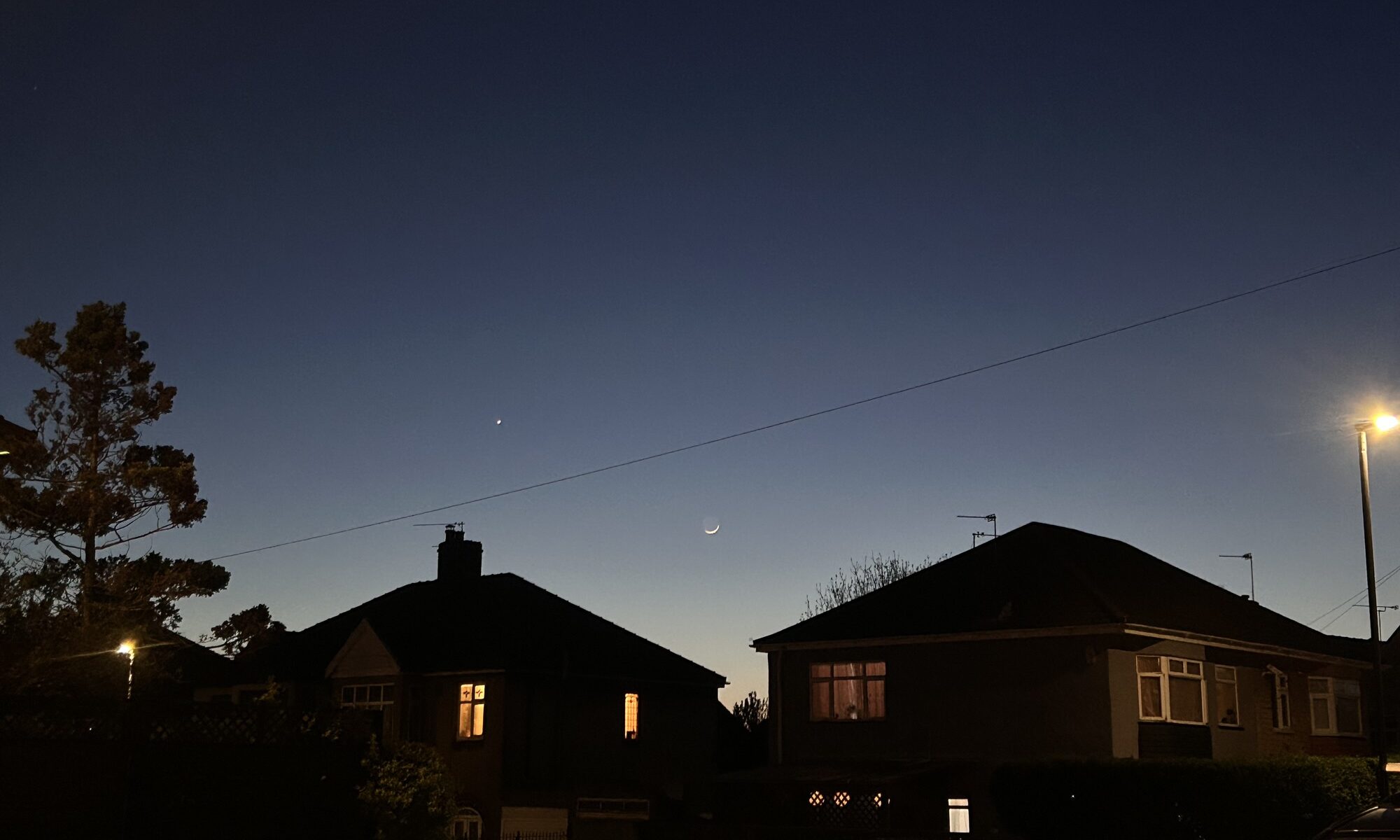
Between these peaks sits the new moon.
A quieter point. A reset.
Not a time for planning in detail, but for reconnecting with intention. For stepping away from practicalities, and returning to the question of what we actually care about.
At this point in the cycle, we ask:
– What am I curious about?
– Where do I feel constrained?
– What do I dream of doing this sprint?
From this moment of reset, we can let go of what didn’t happen last time.
And begin again.
In the days that follow, those ideas may turn into plans. Actions. Deliverables. But at this darkest point in the cycle, the aim is not productivity.
It’s direction. I don’t think the moon is doing anything to the work.
But it is doing something to our attention. And that feels like something to pay attention to.