
Regular followers of the blog will noticed that the daily(ish) blog has been somewhat dormant over the winter. And maybe that is appropriate. Winter is after all the time when living systems reset, process, regroup and do the quiet work that gets them ready for growth in the spring.
The thing about this winter work is it doesn’t look like much while it is happening. In the wood it is quiet; on the allotment the winter days were very still… and very wet. But underground the stage is being set, slowly, gradually, for all the growth of spring. And when that growth comes, it comes suddenly.
For us at the Regenerative Design Lab, the invisible winter work has been to recruit two cohorts for Labs in 2026. This has involved lots of interviews during short days and dark afternoons with the many people who applied. We have also been thinking carefully about how we evolve our pedagogy based on everything we have learnt so far.
For me personally it has been a time during which I formally ended and wrote up my 1851 Fellowship in Regenerative Design. The Fellowship helped us grow the Lab from a seedling (the pilot phase), through the sapling stage (where it needed the support) to the young tree that it is this year, fully self supporting.
And quietly, almost every day, someone has bought a copy of the Pattern Book for Regenerative Design, which means that the seeds of this work are travelling further than I can see.
And so, the stage is set for spring, and springing into more visible action.
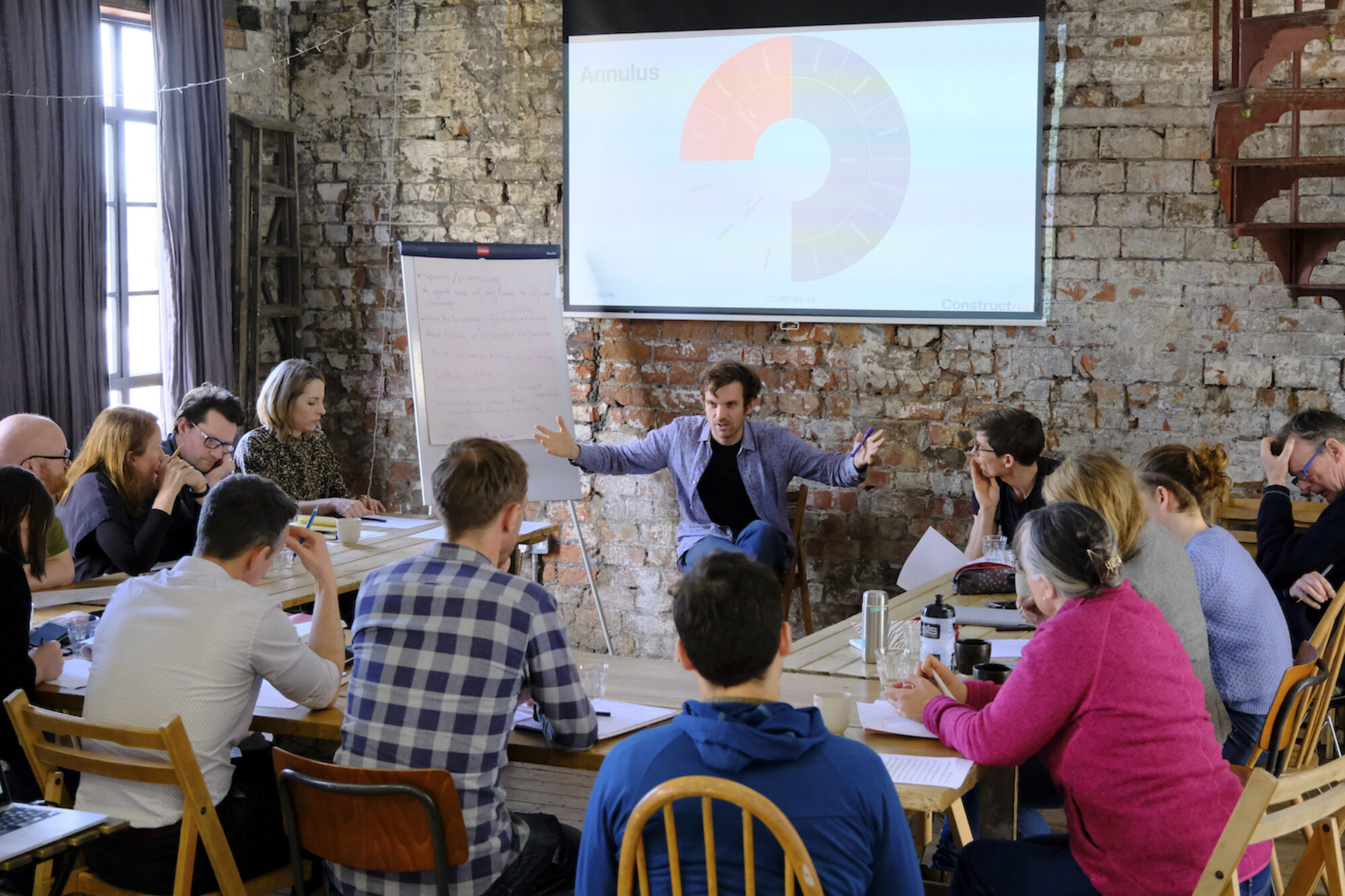
Next week is the kick-off for Cohort 6 and 7. For Cohort 6 we have a fascinating group of engineers (and other humans) from different disciplines, including a new interest from the infrastructure sector. Cohort 7 welcomes back alumni returning to deepen their regenerative practice.
We are also running regenerative design workshops directly for organisations, looking at business strategy, culture change and skills for facilitation and persuasion.
So plenty to be writing about.
Standby for spring.