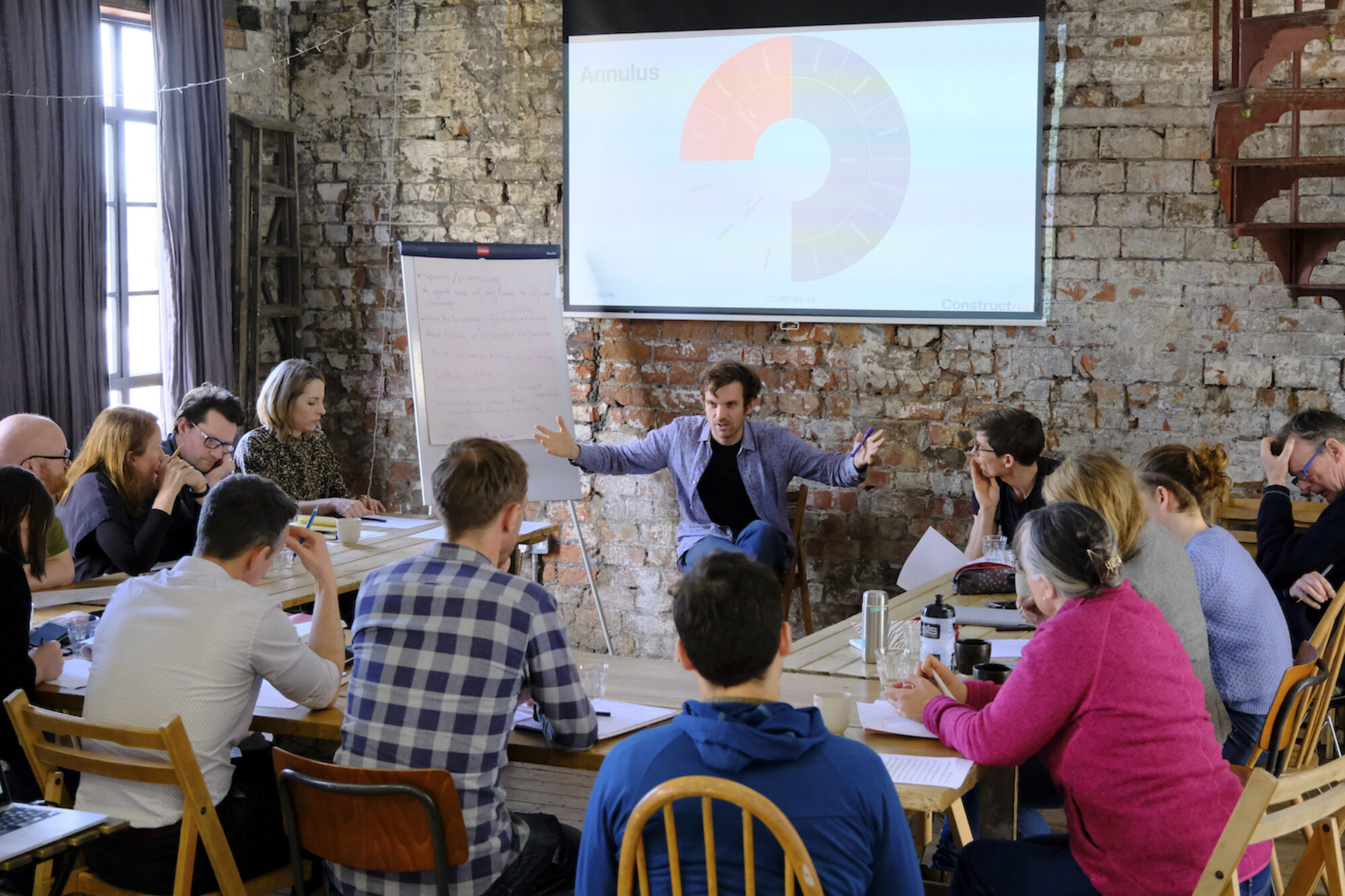

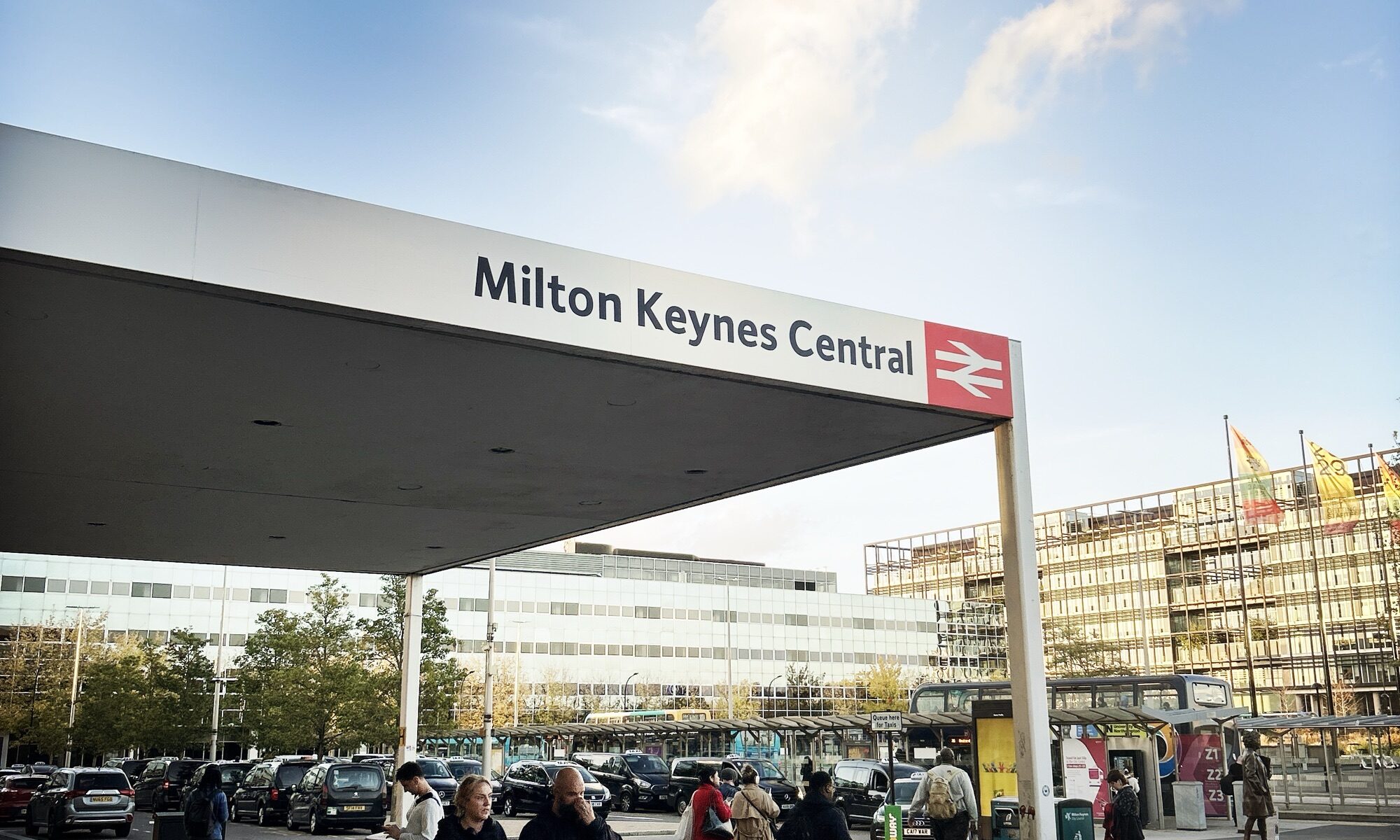
Today I spent the afternoon with around a hundred members of the Major Projects Association at the MPA’s annual conference, exploring how we create a culture of learning in major projects.
I was there to represent the Get It Right Initiative as one of their lead trainers, using one of our Lego exercises to show how errors arise, and used this to pivot into a conversation about culture.
Some things I learnt today.
The power of switching from nouns to verbs:
Organogram to organising
Deliverable to delivering
Project to projecting.
It brings projects alive and allows them to be seen as a journey of discovery and encounter.
In my leadership workshops I often talk about how we treat complex problems as if they are complicated. This verb-based language can perhaps unlock how we make this shift to embracing complexity.
Projects as a confluence of paths.
It is traditional to think of projects as having a start and an end. But if we think about it, it’s hard to pinpoint exactly when a project really started and when it really ends. Instead we can think about it as a convergence of paths: people, individuals, organisations, circumstances converging to make something happen.
This approach is much more in line with the concept of continuous place-based design which we teach at Constructivist.
Lessons uploaded
We were shown the tremendous power of AI for learning lessons from project data. If the knowledge is given the right architecture then the depths of projects can be plumbed for unseen lessons.
And there is double looping here. Using AI agents to sift and quality assure the process.
And yet…
There seems to be an inevitability about complexity. Our projects will inevitably become more complex. So we bring in complex AI models that are hard to understand and make things even more complex.
I can’t help thinking that all of this complexity is a substitute for elegant thinking. Sure: the living world is complex, but it is kept in balance through the tiniest feedback loops running on the minimum of energy.
Which makes me worry we are heading down the wrong path. Instead, why not:
Simplify first:
Clarify outcomes.
Gain consensus.
Don’t start too soon.
Simplify the supply chain.
Do a small bit and see what happens, rather than create grand edifices the depend on the whole thing being complete to work.
And then keep it lean:
Look at what is needed to keep each part of the process flowing.
Use all our senses to see what’s going on.
Change course based on local feedback.
Get all of that working first.