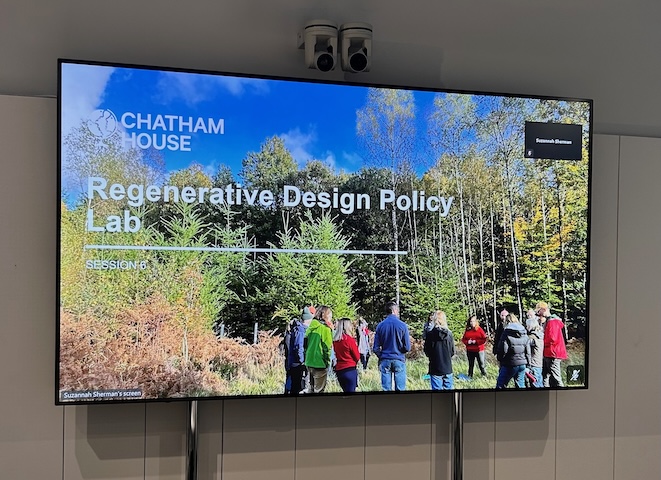
Designing experiments in policy change – lessons from RDL Cohort 4 Session 6 hosted at Chatham House

On February 4th, our current cohort of the Regenerative Design Lab returned to Chatham House London. In this session hosted by our delivery partners, the Chatham House Sustainability Accelerator, our aim was to deepen understanding of system change, policy change and the Ambition Loop model.

Continue reading “Designing experiments in policy change – lessons from RDL Cohort 4 Session 6 hosted at Chatham House”

Exploring Regenerative Design with Hawkins Brown

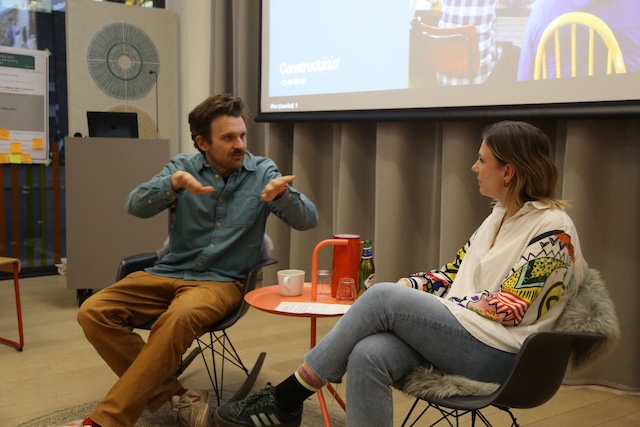
On 30th January 2025, Oliver delivered the keynote for Hawkins Brown’s Regenerative Design Research Week, bringing together ideas on how regenerative design can reshape architectural practice.

As the final session in a week-long series of talks and workshops, this keynote helped tie together discussions on regenerative approaches in architecture. The session explored how organisations can map their activities against larger systems of change and provided practical frameworks for embedding regenerative principles into design practice.

Continue reading “Exploring Regenerative Design with Hawkins Brown”

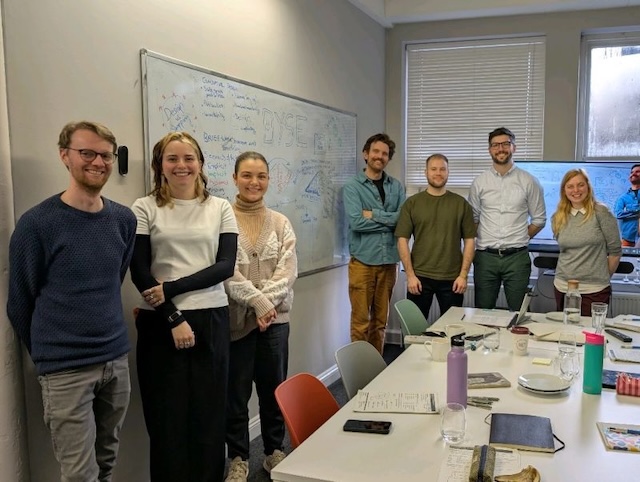
How to have ideas – workshop for DYSE

On 29th January 2025, we ran our ‘How to Have Ideas’ workshop with DYSE Structural Engineers in Manchester, exploring the creative process in design and how engineers can generate and test ideas effectively.

Building a Creative Toolkit

The session focused on:

  • Understanding a design brief as a flexible starting point for creativity.
  • Using our Kalideascope model to explore where ideas come from.
  • Testing and refining ideas through models and structured evaluation.
Continue reading “How to have ideas – workshop for DYSE”

Five books for getting into regenerative thinking

This week we updated the Regenerative Design Lab reading list and included five books that we think are a good way into regenerative thinking for engineers (and other humans). As far as I can remember, the word regenerative is hardly mentioned in any of them. But what I think they do between them is create a holistic view of people as part of a complex, living world. And from there, to think about how we work with, rather than against that interdependence.

From What is to What If –  Rob Hopkins

How the climate crisis is a crisis of the imagination and the work we need to do to imagine a thriving future. A brilliant, far-seeing book, with an excellent podcast series to accompany it.

Braiding Sweetgrass – Robin Wall Kimmerer

This book creates a bridge between Indigenous and scientific thinking. The short essay format makes this an easy book to dip into and return to.

Thinking in Systems – Donella Meadows

A great way into systems thinking, and for the early members of the lab, the way into exploring regenerative design, even though these are not terms Meadows uses.

Doughnut Economics – Kate Raworth

The book that launched the famous model linking social foundations with planetary boundaries, it is full of clear-thinking models for breaking free of the unlimited-growth paradigm.

The Hidden Life of Trees – Peter Wohlleben

Sheds light on how trees communicate with each other, collaborate and work with shared intelligence. Shows how living systems are interconnected and use feedback loops to respond to environmental change. Helps us shift from an anthropocentric to ecocentric view of how ecosystems work.

These are the entry points. The full reading list on the Constructivist website has a set of more in-depth and regenerative-specific books to follow on with.
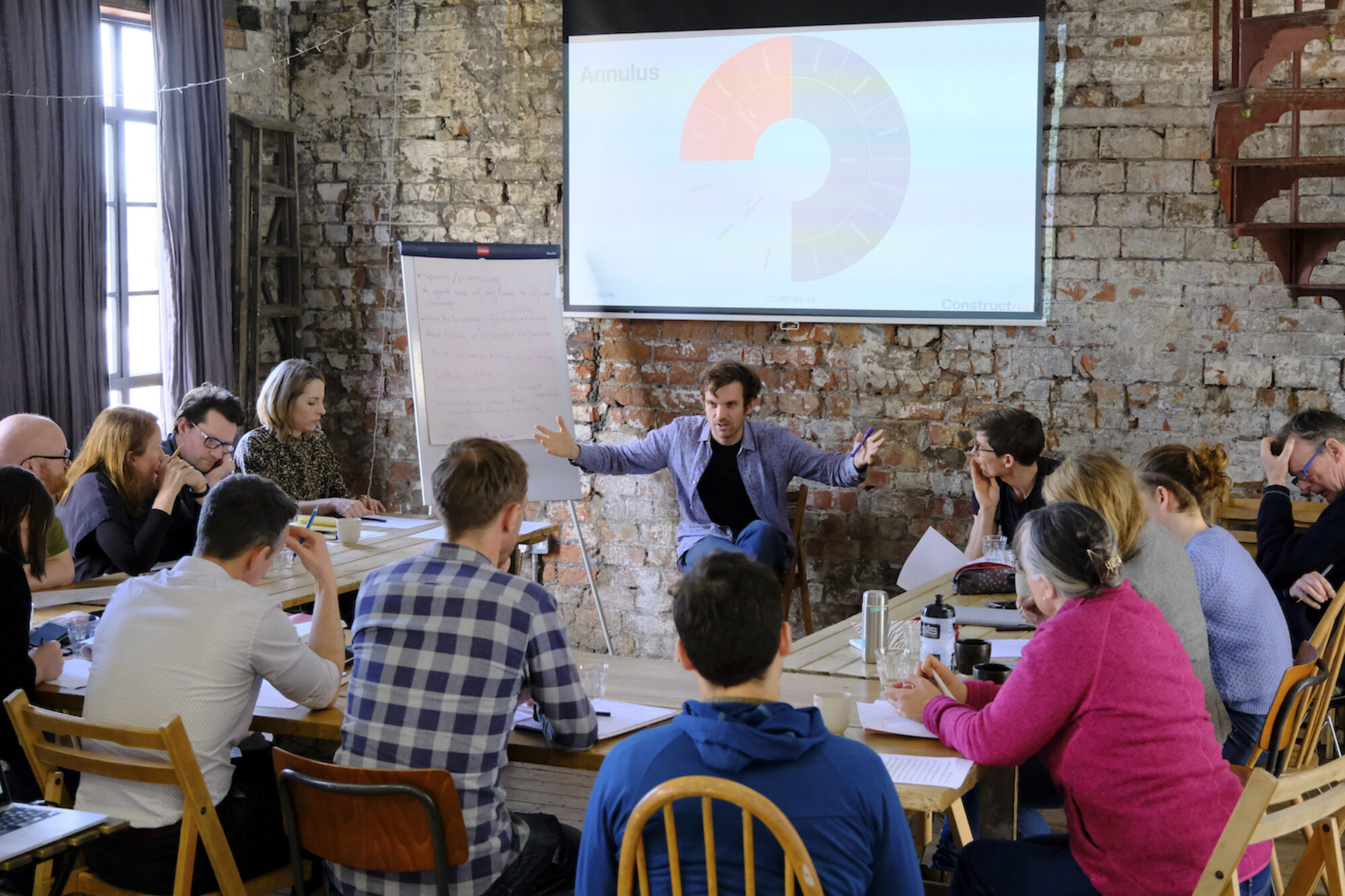

Report Release Announcement: Exploring Policy and Regenerative Design

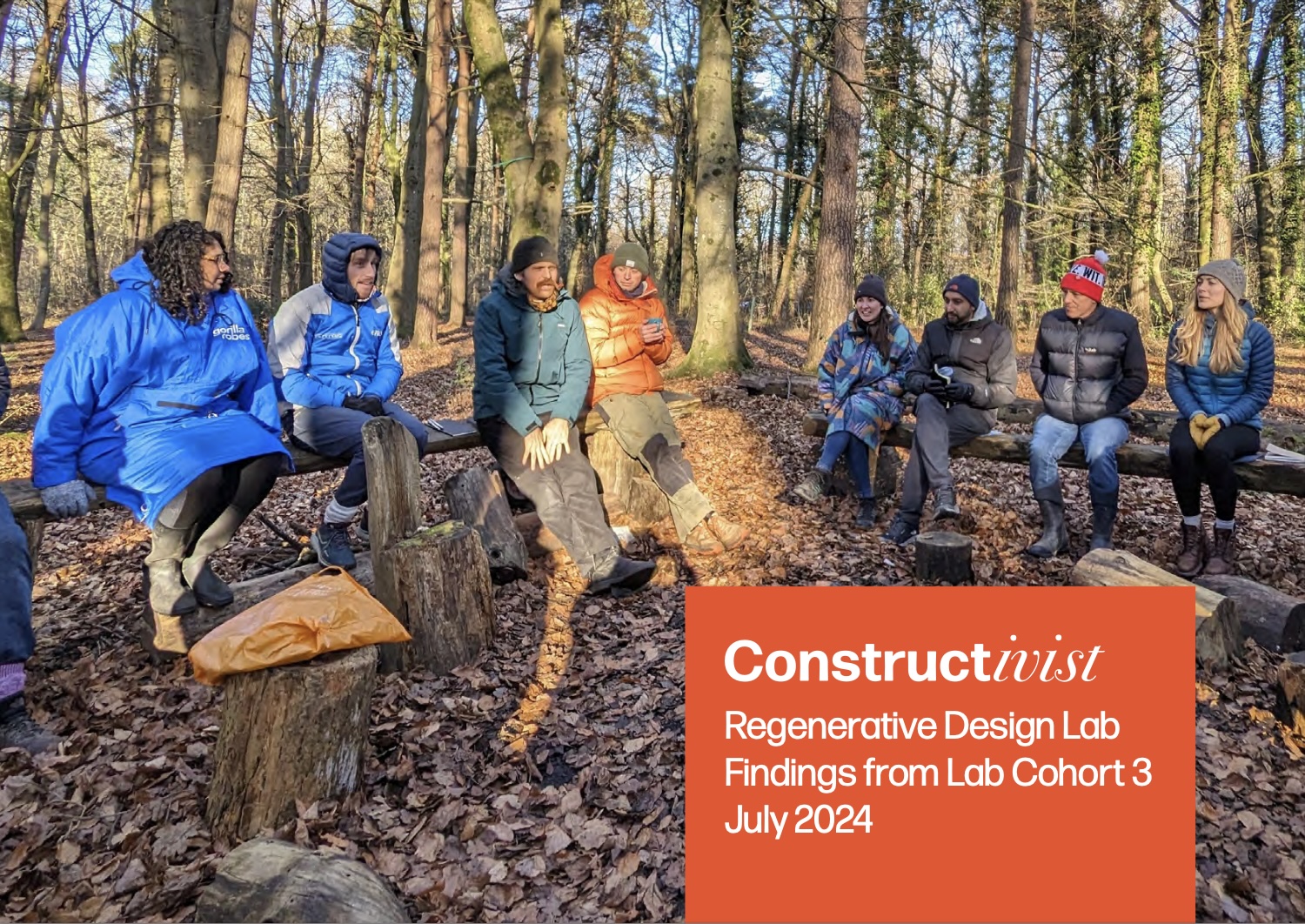
We are happy to announce the release of our latest report, detailing the findings from the third cohort’s six-month exploration into how policy changes can unlock regenerative design. Our report is now available for download, the findings of which offer a starting point for our next cohort investigating the intersection of policy and regenerative design.

Continue reading “Report Release Announcement: Exploring Policy and Regenerative Design”

How to Have Ideas: Don’t Just Do Something, Sit There

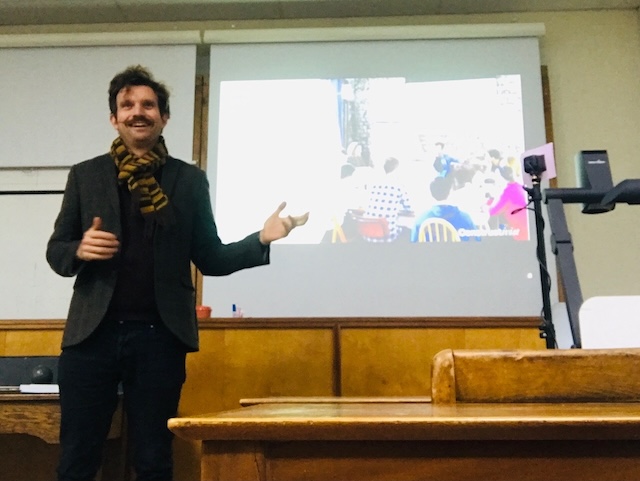
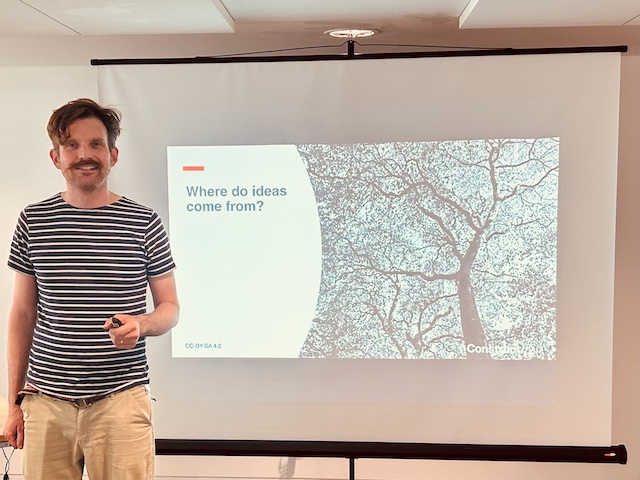
Photo of Oliver Broadbent delivering the How to have ideas workshop - standing in front of a slide that says where do ideas come from

Last week, we were at the Institution of Structural Engineers delivering our ‘How to Have Ideas’ workshop to graduate engineers from Ridge Consulting.

Creative thinking is often the gap in the formal education and training of engineers. Yet, in the context of the climate emergency and a rapidly changing economy, creative thinking is crucial for developing designs that meet the needs of people and our wider ecology.

Continue reading “How to Have Ideas: Don’t Just Do Something, Sit There”

Buying Bags of Kaleidoscopes: reflecting on how far ideas in teaching can travel

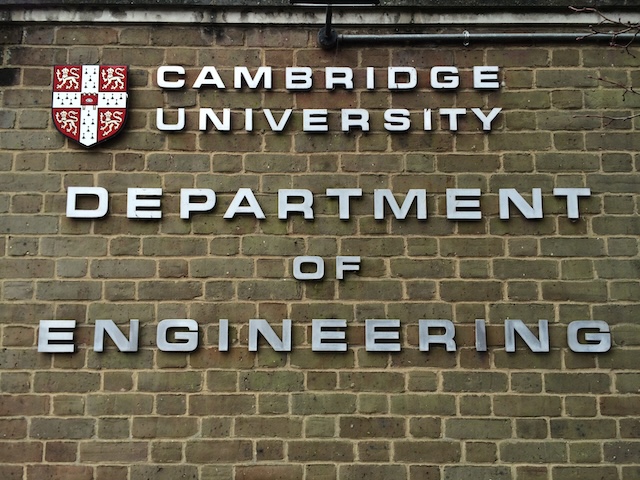
Photograph showing the sign outside the Cambridge university department of engineering

Today, Oliver concluded his series of six workshops as part of the Interdisciplinary Design for the Built Environment (IDBE) Masters program in Cambridge. In this final session, participants reviewed the material covered over the last five sessions, spread out over two years, and set objectives for their continued professional growth.

The series of six lectures aimed to integrate collaborative design skills into the Masters program, focusing on both creativity and collaboration.

Continue reading “Buying Bags of Kaleidoscopes: reflecting on how far ideas in teaching can travel”

The Pattern Book – a new collaborative project in regenerative thinking

Earlier this month, we unveiled the Pattern Book project, an innovative workbook designed to guide professionals in the built environment towards regenerative design principles.  The Pattern Book is the next evolution in the development of the Regenerative Design Lab.

New patterns for the future


The Pattern Book aims to be an emergent, collaborative resource, offering a collection of tools, techniques, and resources under Creative Commons.

“We see in patterns, we recognize patterns, we create patterns. To create a world in which construction brings about thriving rather than destruction, we need new patterns for thinking about how we design and build,”

Oliver Broadbent
Continue reading “The Pattern Book – a new collaborative project in regenerative thinking”